
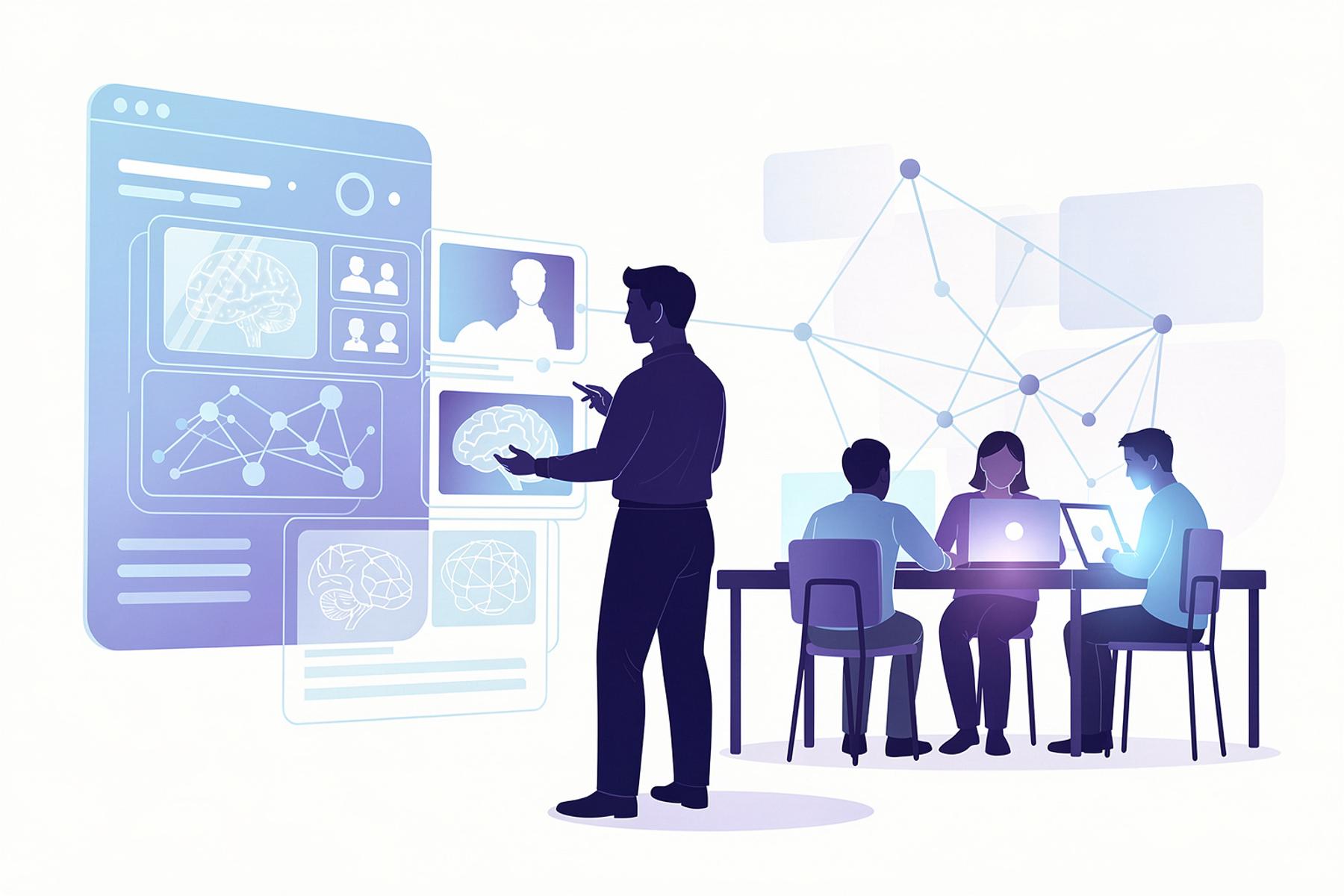
AI-Generated Visuals in Education: Balancing Innovation and Integrity
Explore the opportunities and risks of AI-generated visuals in education, and how tools like Detect AI Image can help maintain academic integrity.
Introduction
The integration of artificial intelligence into education has opened new avenues for creativity, accessibility, and engagement. Among the most visible advancements is the use of AI-generated visuals—images, graphics, and artwork created by algorithms like DALL-E, Midjourney, and Stable Diffusion. These tools empower students and educators to produce high-quality visual content quickly and affordably, but they also introduce challenges related to authenticity, academic integrity, and ethical use.
In this article, we’ll explore the opportunities AI-generated visuals present in education, the risks they pose, and how tools like Detect AI Image can help educators and institutions navigate this evolving landscape.
The Rise of AI-Generated Visuals in Education
AI-generated visuals are transforming how students and educators approach learning and creativity. Here’s how they’re making an impact:
Opportunities for Students
- Enhanced Creativity: Students can generate custom illustrations, diagrams, and infographics to complement their projects, even without advanced design skills.
- Accessibility: AI tools lower the barrier to entry for visual content creation, making it easier for students with disabilities or limited resources to participate.
- Personalized Learning: Educators can create tailored visual aids to explain complex concepts, catering to different learning styles.
- Time Efficiency: Generating visuals with AI saves time, allowing students to focus on research, analysis, and critical thinking.
Opportunities for Educators
- Engaging Lesson Plans: Teachers can use AI-generated visuals to create dynamic presentations, interactive activities, and multimedia content that captures students’ attention.
- Cost-Effective Resources: Schools with limited budgets can produce high-quality visuals without hiring professional designers or purchasing expensive stock images.
- Adaptability: AI tools enable educators to quickly modify or update visuals to reflect new information or student feedback.
- Cross-Disciplinary Learning: Visuals generated by AI can bridge subjects like art, science, and technology, fostering interdisciplinary collaboration.
Practical Examples
- Science Classrooms: Students use AI to generate diagrams of cellular structures or chemical reactions, helping them visualize abstract concepts.
- History Lessons: Educators create AI-generated historical scenes to immerse students in different time periods, making history more tangible.
- Language Arts: Teachers generate custom illustrations for storytelling projects, allowing students to bring their narratives to life.
- Special Education: AI-generated visuals are used to create personalized learning materials for students with diverse needs, such as visual schedules or social stories.
The Risks of AI-Generated Visuals in Education
While AI-generated visuals offer exciting possibilities, they also introduce risks that educators and institutions must address:
Academic Integrity Concerns
- Plagiarism and Originality: Students may submit AI-generated visuals as their own work, undermining the learning process and academic honesty.
- Misrepresentation: AI-generated images can be used to fabricate evidence or manipulate data in research projects, leading to misinformation.
- Unfair Advantage: Students with access to advanced AI tools may gain an unfair edge over peers who lack such resources, creating inequities in assessment.
Ethical and Practical Challenges
- Bias and Stereotypes: AI models can perpetuate biases present in their training data, leading to visuals that reinforce stereotypes or exclude underrepresented groups.
- Copyright Issues: AI-generated visuals may inadvertently replicate copyrighted material, raising legal and ethical concerns for students and educators.
- Over-Reliance on AI: Excessive dependence on AI tools can hinder the development of critical thinking, creativity, and problem-solving skills.
- Misinformation: AI-generated visuals can be used to create deepfakes or misleading content, which may spread misinformation in educational settings.
Real-World Consequences
- Case Study 1: A high school student submits an AI-generated infographic for a science project, claiming it as their own work. The teacher, unaware of the deception, gives the student full credit, undermining the integrity of the assignment.
- Case Study 2: A university research team uses AI-generated visuals to illustrate their findings, only to discover later that the images contain inaccuracies, damaging their credibility.
- Case Study 3: A middle school teacher unknowingly uses an AI-generated image in a lesson plan that perpetuates cultural stereotypes, leading to complaints from parents and students.
How to Verify AI-Generated Visuals in Education
Given the risks, it’s essential for educators and institutions to implement strategies for verifying the authenticity of visual content. Here’s how to approach this challenge:
Manual Verification Techniques
While no method is foolproof, educators can look for common signs of AI-generated visuals:
- Inconsistencies in Details: AI-generated images often contain subtle flaws, such as distorted hands, unnatural lighting, or inconsistent backgrounds.
- Overly Perfect or Generic Features: AI visuals may lack the imperfections or uniqueness of human-created artwork, appearing too polished or generic.
- Metadata Analysis: Checking the metadata of an image file can reveal clues about its origin, such as the software used to create it.
- Reverse Image Search: Tools like Google Reverse Image Search can help determine if an image has been generated by AI or sourced from existing content.
Using AI Detection Tools
For a more reliable and efficient approach, educators can use specialized tools like Detect AI Image to verify the authenticity of visuals. Here’s how it works:
- Upload and Analyze: Simply upload an image to the tool, and it will analyze the content using advanced machine learning algorithms.
- Confidence Score: The tool provides a confidence score indicating the likelihood that the image was AI-generated, helping educators make informed decisions.
- Privacy-Focused: Detect AI Image analyzes images securely without storing them, ensuring user privacy.
- Multi-Model Detection: The tool can identify visuals generated by various AI models, including DALL-E, Midjourney, and Stable Diffusion.
Best Practices for Educators
- Educate Students: Teach students about the ethical use of AI-generated visuals and the importance of academic integrity. Encourage them to disclose when they use AI tools in their work.
- Set Clear Guidelines: Establish policies for the use of AI-generated content in assignments, including requirements for transparency and citation.
- Use Detection Tools: Incorporate tools like Detect AI Image into your workflow to verify the authenticity of student submissions.
- Encourage Critical Thinking: Design assignments that require students to explain their creative process, ensuring they engage with the material rather than relying solely on AI.
- Stay Informed: Keep up with advancements in AI technology and detection methods to adapt your strategies as needed.
The Future of AI-Generated Visuals in Education
As AI technology continues to evolve, its role in education will likely expand. Here’s what the future may hold:
Emerging Trends
- AI as a Collaborative Tool: AI-generated visuals will increasingly be used as a starting point for student projects, with students refining and personalizing the content.
- Enhanced Detection Methods: Advances in AI detection technology will make it easier to identify synthetic content, helping educators maintain academic integrity.
- Regulatory Frameworks: Schools and governments may develop policies to govern the use of AI-generated content in education, ensuring ethical and responsible use.
- Integration with Learning Management Systems (LMS): AI detection tools may be integrated into LMS platforms, allowing educators to verify visuals seamlessly within their existing workflows.
Preparing for the Future
To prepare for these changes, educators and institutions should:
- Foster Digital Literacy: Equip students with the skills to critically evaluate AI-generated content and understand its limitations.
- Promote Ethical AI Use: Encourage students to use AI tools responsibly, emphasizing transparency, honesty, and creativity.
- Invest in Professional Development: Provide training for educators on how to use AI tools effectively and detect AI-generated content.
- Collaborate with EdTech Companies: Partner with technology providers to develop tools and resources that support ethical AI use in education.
Conclusion
AI-generated visuals are reshaping education, offering exciting opportunities for creativity, engagement, and accessibility. However, they also present challenges related to academic integrity, ethics, and misinformation. By understanding these risks and implementing strategies for verification—such as using tools like Detect AI Image—educators can harness the benefits of AI while maintaining the trust and authenticity that are essential to learning.
As AI technology continues to advance, it’s crucial for educators to stay informed, adapt their teaching methods, and foster a culture of responsible AI use. By doing so, they can ensure that AI-generated visuals serve as a tool for innovation rather than a threat to academic integrity.
For more information on how to verify AI-generated images, visit Detect AI Image and explore their free, user-friendly detection tool.