
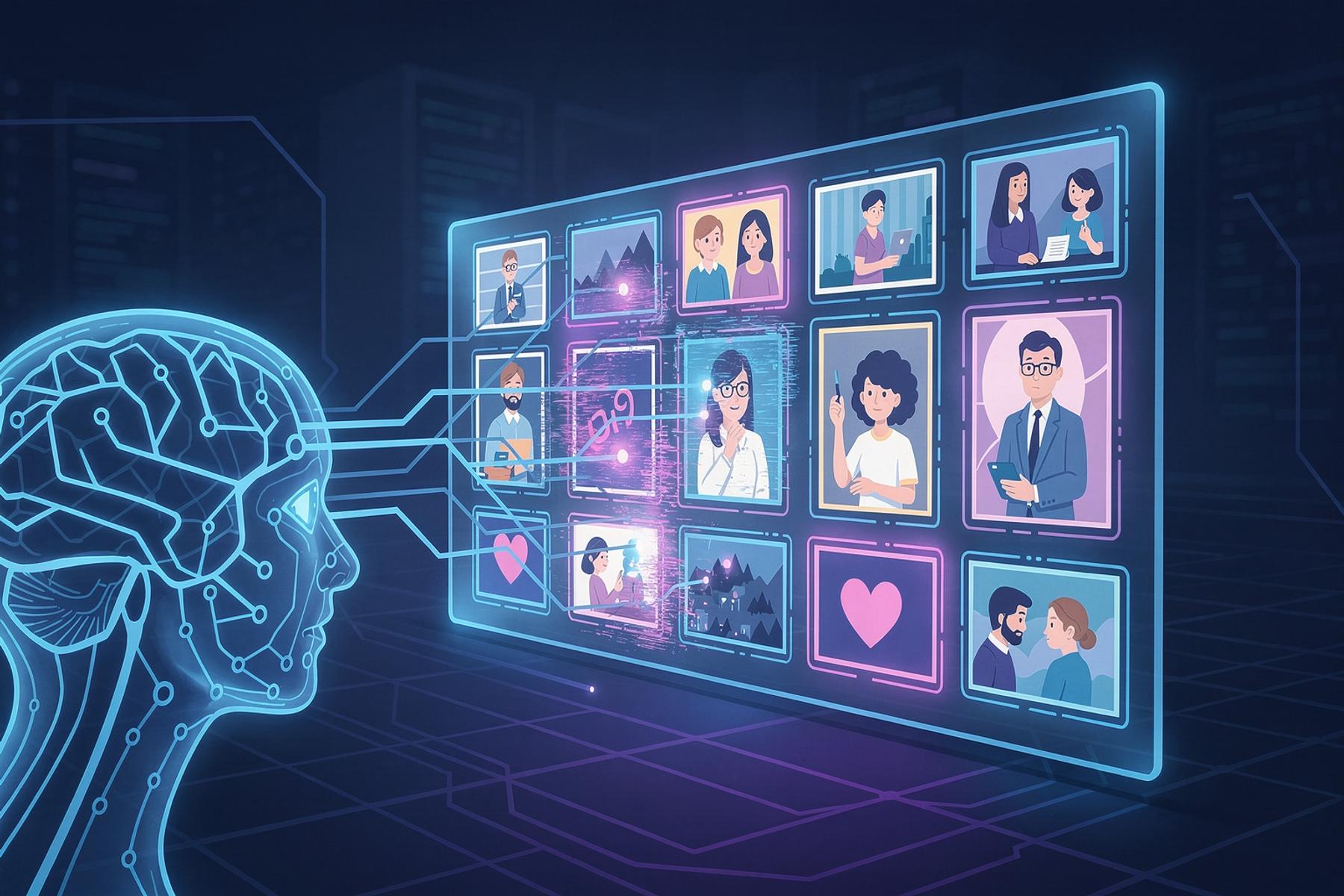
How AI Threatens the Integrity of Visual Archives
Explore how AI-generated images challenge the authenticity of visual archives and the tools available to verify digital content integrity.
Introduction
Visual archives serve as historical records, preserving moments, cultures, and truths for future generations. From museum collections to digital libraries, these archives rely on the authenticity of images to document reality. However, the rise of AI-generated content is challenging the integrity of these visual repositories. As AI tools like Midjourney, DALL-E, and Stable Diffusion become more advanced, distinguishing between real and synthetic images is increasingly difficult. This article explores the impact of AI on visual archives, the risks to authenticity, and how tools like Detect AI Image can help maintain trust in digital content.
The Role of Visual Archives in Society
Visual archives are more than just collections of images—they are pillars of historical and cultural preservation. They serve multiple critical functions:
- Historical Documentation: Photographs and videos capture events as they unfold, providing evidence of the past. For example, the Library of Congress houses millions of images that document American history, from the Civil War to the Civil Rights Movement.
- Cultural Preservation: Museums and institutions use visual archives to preserve traditions, art, and heritage. The Smithsonian’s digital collections, for instance, include photographs of indigenous cultures, artifacts, and historical figures.
- Educational Resources: Teachers and researchers rely on visual archives to illustrate lessons and support academic work. The New York Public Library’s digital collections offer free access to historical images for educational purposes.
- Journalistic Integrity: News organizations use visual archives to verify facts and provide context for current events. Reuters and Associated Press maintain extensive photo archives to support their reporting.
The authenticity of these archives is paramount. If AI-generated images infiltrate these collections, the very foundation of historical and cultural truth is at risk.
How AI-Generated Images Challenge Authenticity
AI-generated images are becoming indistinguishable from real photographs, posing significant challenges to visual archives. Here’s how AI threatens their integrity:
1. Erosion of Trust in Historical Records
Visual archives are trusted sources of truth. When AI-generated images are mistakenly or intentionally included in these collections, they can distort historical narratives. For example:
- Misleading Historical Events: An AI-generated image of a fictional event could be mistaken for a real historical moment, leading to misinformation. In 2023, an AI-generated image of the Pentagon explosion went viral on social media, causing brief market fluctuations before it was debunked.
- Altered Cultural Artifacts: AI can generate images of artifacts or cultural symbols that never existed, leading to misrepresentations of heritage. For instance, an AI-generated “ancient” artifact could be mistakenly added to a museum’s digital collection, misleading researchers.
2. Difficulty in Manual Verification
AI-generated images often contain subtle artifacts that are difficult to detect with the naked eye. Common signs of AI-generated content include:
- Unnatural Textures: AI struggles with replicating natural textures, such as skin, fabric, or foliage. These areas may appear overly smooth or distorted.
- Inconsistent Lighting and Shadows: AI-generated images often have inconsistent lighting, with shadows pointing in unnatural directions or missing entirely.
- Blurred or Distorted Details: Fine details, like text or intricate patterns, may appear blurred or warped in AI-generated images.
- Symmetrical Anomalies: AI models sometimes generate symmetrical artifacts, such as identical faces or objects, which are rare in real photographs.
While these clues can help identify AI-generated images, they are not foolproof. As AI models improve, these artifacts become less noticeable, making manual verification increasingly unreliable.
3. Intentional Misinformation and Deepfakes
AI-generated images are not just accidental contaminants—they can also be used intentionally to spread misinformation. Deepfakes, a subset of AI-generated content, are particularly concerning:
- Political Manipulation: Deepfake images or videos can be used to fabricate events or statements by public figures. In 2022, a deepfake video of Ukrainian President Volodymyr Zelenskyy surrendering to Russia circulated online, causing confusion and panic.
- Fraud and Scams: AI-generated images can be used to create fake identities or documents, enabling fraud. For example, scammers have used AI-generated profile pictures to create fake social media accounts for phishing schemes.
- Reputation Damage: Individuals or organizations can be targeted with AI-generated images designed to harm their reputation. A deepfake image of a CEO making controversial statements could lead to financial or reputational damage.
When these images enter visual archives, they can perpetuate false narratives and undermine the credibility of the entire collection.
The Impact on Key Sectors
The infiltration of AI-generated images into visual archives affects multiple sectors, each with its own challenges and consequences.
1. Academia and Research
Researchers and academics rely on visual archives for historical and scientific research. The inclusion of AI-generated images can lead to:
- Flawed Research: Studies based on inaccurate visual data can produce misleading conclusions. For example, a researcher studying historical fashion trends might unknowingly include AI-generated images in their analysis, skewing their findings.
- Academic Dishonesty: Students may submit AI-generated images as part of their research or assignments, undermining academic integrity. Tools like Detect AI Image can help educators verify the authenticity of student submissions.
- Loss of Credibility: Institutions that unknowingly include AI-generated images in their archives risk damaging their reputation. For example, a university’s digital collection of historical photographs could lose credibility if AI-generated images are discovered.
2. Journalism and Media
Journalists use visual archives to verify facts and provide context for news stories. AI-generated images pose several risks to journalistic integrity:
- False Narratives: AI-generated images can be used to fabricate events or manipulate public opinion. In 2023, an AI-generated image of Pope Francis wearing a puffer jacket went viral, fooling many into believing it was real.
- Erosion of Public Trust: When news organizations unknowingly publish AI-generated images, it erodes trust in media. A 2023 survey by the Reuters Institute found that 56% of respondents were concerned about the spread of AI-generated misinformation in news.
- Legal Risks: Publishing AI-generated images without proper disclosure can lead to legal challenges, particularly if the images are defamatory or infringe on copyright.
3. Museums and Cultural Institutions
Museums and cultural institutions curate visual archives to preserve and share cultural heritage. AI-generated images threaten these efforts in several ways:
- Misrepresentation of Culture: AI-generated images can distort cultural narratives by creating fictional artifacts or events. For example, an AI-generated image of a “lost” indigenous artifact could mislead researchers and the public.
- Devaluation of Authentic Artifacts: If AI-generated images are mistaken for real artifacts, it can devalue the significance of authentic cultural heritage. Visitors may question the authenticity of all items in a collection.
- Ethical Concerns: Museums have a responsibility to present accurate representations of history and culture. Including AI-generated images without proper labeling raises ethical questions about transparency and trust.
4. Social Media and Digital Platforms
Social media platforms are both sources and distributors of visual content. AI-generated images can spread rapidly on these platforms, leading to:
- Viral Misinformation: AI-generated images can go viral before they are debunked, causing widespread misinformation. For example, AI-generated images of natural disasters or political events can spread panic or influence public opinion.
- Content Moderation Challenges: Platforms like Facebook, Twitter, and Instagram struggle to identify and remove AI-generated content quickly. This delay allows misinformation to spread unchecked.
- User Distrust: As users become aware of AI-generated content, they may question the authenticity of all images on social media, leading to a general distrust of digital content.
Tools for Verifying Image Authenticity
Given the challenges posed by AI-generated images, tools for verifying image authenticity are more important than ever. Detect AI Image is a free online tool designed to help users identify AI-generated content. Here’s how it works and why it’s valuable:
How Detect AI Image Works
Detect AI Image uses advanced machine learning algorithms to analyze images for signs of AI generation. The tool examines multiple characteristics, including:
- Pixel Patterns: AI-generated images often contain unique pixel patterns that differ from those in real photographs.
- Artifacts and Anomalies: The tool identifies common artifacts, such as unnatural textures, inconsistent lighting, or symmetrical anomalies.
- Metadata Analysis: While metadata can be manipulated, Detect AI Image checks for inconsistencies that may indicate AI generation.
- Model-Specific Signatures: Different AI models (e.g., Midjourney, DALL-E, Stable Diffusion) leave distinct signatures in their output. The tool is trained to recognize these patterns.
After analysis, Detect AI Image provides a confidence score indicating the likelihood that an image is AI-generated. This score helps users make informed decisions about the authenticity of the content.
Practical Use Cases for Detect AI Image
Detect AI Image is a versatile tool with applications across multiple sectors:
Academia
- Educators: Teachers can use the tool to verify student submissions, ensuring academic integrity. For example, an art history professor can check if a student’s submitted artwork is original or AI-generated.
- Researchers: Scholars can use the tool to validate images used in their research, preventing the inclusion of AI-generated content in their work.
Journalism
- Fact-Checking: Journalists can use Detect AI Image to verify the authenticity of images before publishing. This is particularly important for breaking news stories where misinformation can spread quickly.
- Investigative Reporting: Reporters can analyze images from sources to ensure they are not AI-generated or manipulated.
Museums and Cultural Institutions
- Collection Curation: Curators can use the tool to verify the authenticity of images before adding them to digital archives. This helps maintain the integrity of cultural collections.
- Visitor Education: Museums can use Detect AI Image to educate visitors about the challenges of AI-generated content and the importance of verification.
Social Media and Content Moderation
- User Verification: Social media users can check images before sharing them, reducing the spread of misinformation.
- Platform Moderation: Content moderators can use the tool to identify and remove AI-generated images that violate platform policies.
Limitations and Best Practices
While tools like Detect AI Image are powerful, they are not infallible. Here are some limitations and best practices to keep in mind:
- Probabilistic Results: AI detection tools provide confidence scores, not absolute answers. Users should consider the context and use additional verification methods when necessary.
- Evolving AI Models: As AI generation techniques improve, detection tools must continuously update their algorithms to keep pace. Detect AI Image is regularly updated to address new challenges.
- Complementary Verification: For critical decisions, users should combine AI detection with other verification methods, such as reverse image searches, metadata analysis, and expert review.
- Transparency: Always disclose the use of AI detection tools and their results to maintain trust and transparency.
The Future of Visual Archives in the AI Era
The rise of AI-generated images presents both challenges and opportunities for visual archives. Here’s what the future may hold:
1. Enhanced Verification Technologies
As AI detection tools like Detect AI Image evolve, they will become more accurate and reliable. Future advancements may include:
- Real-Time Detection: Tools that can analyze images in real-time, such as during live broadcasts or social media uploads.
- Blockchain Verification: Using blockchain technology to create immutable records of image authenticity, ensuring that visual archives remain tamper-proof.
- Collaborative Databases: Shared databases of verified images, allowing institutions to cross-reference and validate content.
2. Regulatory and Ethical Frameworks
Governments and organizations are beginning to recognize the need for regulations around AI-generated content. Potential developments include:
- Mandatory Labeling: Laws requiring AI-generated images to be labeled as such, similar to how some countries regulate deepfake videos.
- Copyright Protections: Clearer guidelines on the ownership and use of AI-generated images, particularly in commercial and academic contexts.
- Ethical AI Use: Standards for the ethical use of AI in creating and distributing images, ensuring transparency and accountability.
3. Public Awareness and Education
Educating the public about AI-generated content is crucial for maintaining trust in visual archives. Efforts may include:
- Media Literacy Programs: Initiatives to teach people how to identify AI-generated images and verify digital content.
- Institutional Transparency: Museums, news organizations, and academic institutions can disclose their verification processes to build trust with their audiences.
- Community Engagement: Encouraging users to report suspicious content and participate in verification efforts.
4. Preserving the Value of Authentic Content
As AI-generated images become more prevalent, the value of authentic, human-created content may increase. Visual archives can:
- Highlight Authenticity: Emphasize the importance of real photographs and artifacts in preserving history and culture.
- Support Human Creators: Promote the work of photographers, artists, and creators who produce original content.
- Create Safe Spaces: Develop platforms or collections dedicated to verified, authentic images, providing a trusted resource for researchers and the public.
Conclusion
AI-generated images are transforming the landscape of visual archives, challenging the authenticity and trustworthiness of these critical resources. From academia to journalism, museums to social media, the impact of AI is far-reaching and complex. While the risks are significant, tools like Detect AI Image offer a practical solution for verifying image authenticity and maintaining the integrity of visual archives.
The future of visual archives will depend on a combination of technology, regulation, and education. By embracing advanced detection tools, advocating for ethical AI use, and fostering public awareness, we can preserve the value of authentic visual content in an increasingly synthetic world. As AI continues to evolve, so too must our strategies for ensuring that visual archives remain reliable records of truth and history.