
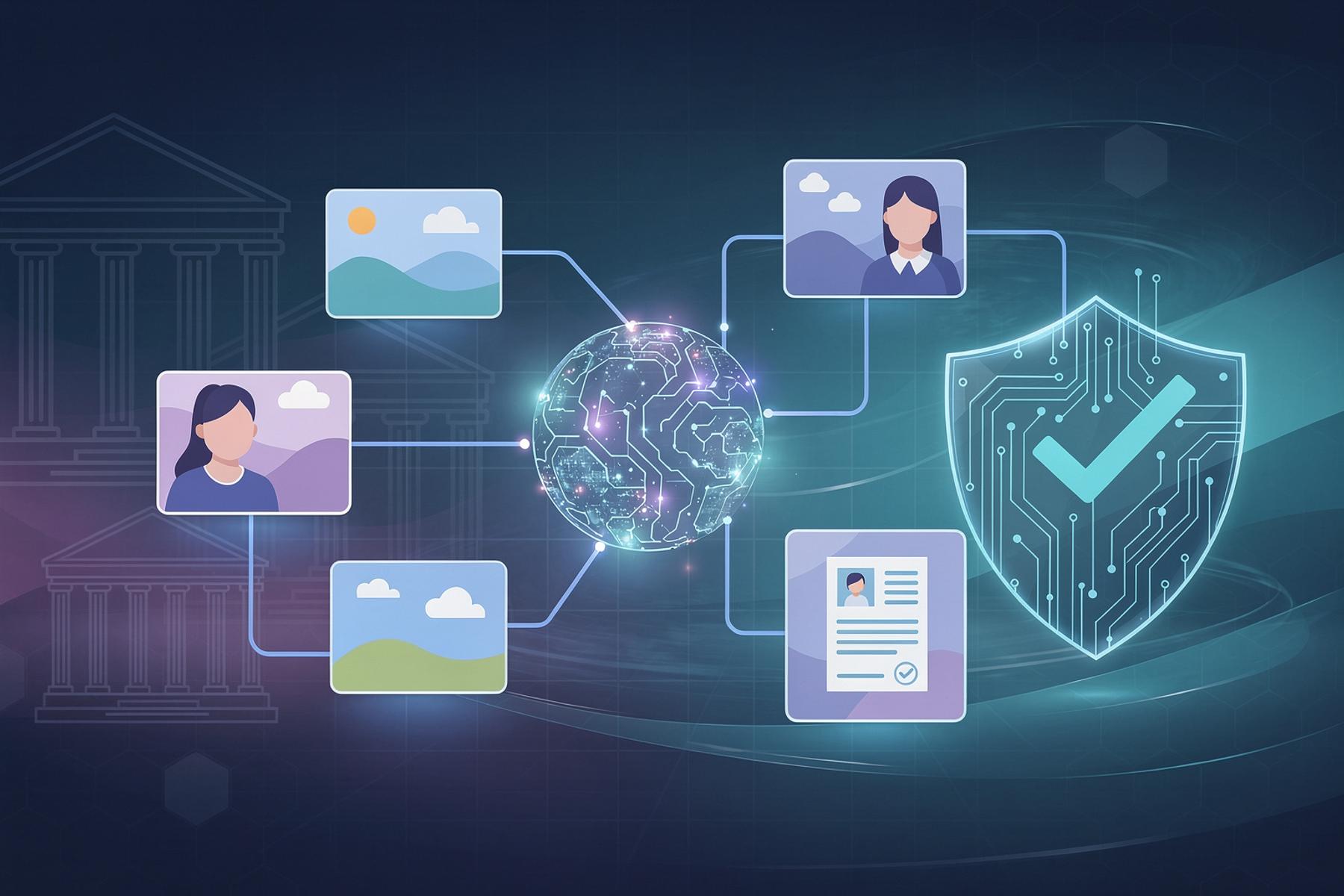
How Public Institutions Use AI Image Verification
Discover how public institutions leverage AI image verification tools to maintain trust, ensure authenticity, and uphold integrity in digital content.
In an era where AI-generated content is becoming increasingly indistinguishable from human-created media, public institutions face growing challenges in maintaining trust, authenticity, and integrity. From academic institutions to government agencies, the need for reliable tools to verify image authenticity has never been more critical. AI image verification tools, such as Detect AI Image, are emerging as essential resources for these organizations, helping them navigate the complexities of digital content validation with confidence and precision.
The Growing Need for AI Image Verification in Public Institutions
Public institutions operate in environments where trust and credibility are paramount. Whether it’s ensuring academic honesty, verifying the authenticity of news images, or maintaining the integrity of official communications, the stakes are high. The rise of AI-generated images has introduced new risks, including:
- Misinformation and Disinformation: AI-generated images can be used to create convincing but false narratives, spreading misinformation at an unprecedented scale.
- Academic Dishonesty: Students may submit AI-generated artwork or images as their own, undermining the principles of academic integrity.
- Fraud and Scams: Public-facing institutions may be targeted by fraudulent images designed to deceive or manipulate.
- Erosion of Trust: The proliferation of AI-generated content can erode public trust in digital media, making it harder to distinguish fact from fiction.
To combat these challenges, public institutions are turning to AI image verification tools. These tools provide a systematic and reliable way to analyze images, identify AI-generated content, and make informed decisions about their authenticity.
Key Use Cases for AI Image Verification in Public Institutions
1. Academic Institutions: Upholding Integrity in Education
Educational institutions, from K-12 schools to universities, are at the forefront of the battle against academic dishonesty. With the accessibility of AI image generators like Midjourney, DALL-E, and Stable Diffusion, students can easily create realistic images, artwork, or even research visuals in minutes. This poses a significant challenge for educators tasked with evaluating original work.
How AI Image Verification Helps:
- Detecting AI-Generated Submissions: Teachers and professors can use tools like Detect AI Image to verify whether student-submitted images or artwork were created by AI. This ensures that grades reflect genuine effort and creativity.
- Promoting Ethical Use of AI: By integrating AI detection tools into their workflows, institutions can educate students about the ethical use of AI and the importance of transparency.
- Research Integrity: Researchers can use these tools to validate images in academic papers, ensuring that visual data is authentic and not manipulated by AI.
Practical Example:
A high school art teacher notices that a student’s submission looks unusually polished for their skill level. Using an AI image verification tool, the teacher confirms that the image was generated by AI. Instead of penalizing the student, the teacher uses this as a teaching moment to discuss the ethical implications of AI-generated content and the value of original work.
2. Journalism and Media: Ensuring Authentic Reporting
For journalists and media organizations, the authenticity of images is non-negotiable. In an age where viral images can shape public opinion, the ability to verify the source and legitimacy of visual content is critical. AI-generated images can be used to fabricate events, manipulate emotions, or spread propaganda, making verification tools indispensable.
How AI Image Verification Helps:
- Fact-Checking Viral Images: Journalists can quickly analyze images circulating on social media to determine if they are AI-generated, preventing the spread of misinformation.
- Verifying User-Generated Content: News organizations can validate images submitted by the public, ensuring they are authentic before publishing.
- Protecting Reputation: By using AI detection tools, media outlets can avoid publishing misleading or fabricated images, safeguarding their credibility.
Practical Example:
A news outlet receives a breaking image of a natural disaster from a social media user. Before publishing, the editorial team runs the image through an AI verification tool. The tool flags the image as AI-generated, allowing the outlet to avoid spreading false information and instead focus on verified sources.
3. Government Agencies: Combating Fraud and Misinformation
Government agencies are responsible for maintaining public trust and ensuring the accuracy of official communications. AI-generated images can be used to create deepfakes, forge documents, or manipulate public perception. Verification tools help agencies detect and mitigate these risks.
How AI Image Verification Helps:
- Detecting Deepfakes: Agencies can analyze images or videos to identify deepfakes, preventing the spread of manipulated content that could influence public opinion or elections.
- Verifying Official Documents: Tools can be used to check the authenticity of images in official documents, such as passports, IDs, or certificates.
- Enhancing Cybersecurity: By identifying AI-generated images used in phishing scams or fraudulent communications, agencies can protect citizens from cyber threats.
Practical Example:
A government agency receives a tip about a suspicious image circulating online that appears to show a high-ranking official in a compromising situation. Using an AI image verification tool, the agency determines that the image is a deepfake. They quickly issue a statement debunking the image, preventing potential damage to the official’s reputation and public trust.
4. Libraries and Archives: Preserving Digital Authenticity
Libraries, museums, and archives play a crucial role in preserving cultural heritage and historical records. As digital collections grow, so does the risk of AI-generated content infiltrating these repositories. Verification tools help ensure that digital archives remain authentic and trustworthy.
How AI Image Verification Helps:
- Validating Digital Collections: Archivists can use AI detection tools to verify the authenticity of digital images, ensuring they are not AI-generated or manipulated.
- Protecting Historical Records: By identifying AI-generated content, institutions can prevent the inclusion of fabricated images in historical archives.
- Educating the Public: Libraries can use these tools to teach patrons about the importance of digital authenticity and how to spot AI-generated content.
Practical Example:
A museum curator receives a donation of digital images claiming to depict a historical event. Before adding them to the museum’s archive, the curator uses an AI verification tool to confirm that the images are authentic and not AI-generated. This ensures the integrity of the museum’s collection.
How Public Institutions Can Implement AI Image Verification
Integrating AI image verification tools into the workflows of public institutions requires a strategic approach. Here are some best practices for effective implementation:
1. Choose the Right Tool
Not all AI image verification tools are created equal. Public institutions should look for tools that offer:
- High Accuracy: Advanced algorithms capable of detecting images from multiple AI generators.
- Privacy and Security: Tools that analyze images securely without storing or sharing user data.
- User-Friendly Interface: Easy-to-use platforms that require minimal technical expertise.
- Transparency: Clear explanations of how the tool works and its limitations.
Detect AI Image is an excellent example of a tool that meets these criteria. It provides free, instant analysis of images, with a focus on privacy and accuracy.
2. Train Staff and Stakeholders
To maximize the effectiveness of AI image verification tools, institutions should invest in training for staff, educators, journalists, and other stakeholders. Training should cover:
- How to Use the Tool: Step-by-step instructions for uploading and analyzing images.
- Understanding Results: How to interpret confidence scores and what they mean for image authenticity.
- Ethical Considerations: The importance of transparency and responsible use of AI detection tools.
3. Integrate Verification into Workflows
AI image verification should be a seamless part of existing workflows. For example:
- Academic Institutions: Incorporate verification into the submission and grading process for visual assignments.
- News Organizations: Make verification a standard step in the editorial process for images.
- Government Agencies: Use verification tools as part of cybersecurity and fraud detection protocols.
4. Combine with Other Verification Methods
While AI image verification tools are powerful, they should not be the sole method of validation. Institutions should combine these tools with other verification techniques, such as:
- Metadata Analysis: Checking the metadata of images for inconsistencies or signs of manipulation.
- Reverse Image Search: Using tools like Google Reverse Image Search to trace the origin of an image.
- Expert Review: Consulting with digital forensics experts or historians for additional insights.
5. Stay Updated on AI Advancements
AI image generation and detection technologies are evolving rapidly. Public institutions should stay informed about the latest developments in both fields to ensure their verification processes remain effective. This includes:
- Following Industry News: Keeping up with advancements in AI image generation and detection.
- Participating in Training: Attending workshops or webinars on digital verification techniques.
- Collaborating with Experts: Partnering with researchers or organizations specializing in AI and digital forensics.
The Future of AI Image Verification in Public Institutions
As AI-generated content becomes more sophisticated, the role of verification tools in public institutions will only grow in importance. Here are some trends to watch:
1. Increased Adoption of AI Detection Tools
More public institutions will integrate AI image verification tools into their workflows, recognizing their value in maintaining trust and authenticity. This adoption will be driven by the need to combat misinformation, protect academic integrity, and ensure the accuracy of official communications.
2. Development of More Advanced Tools
AI detection tools will continue to improve, with advancements in machine learning and computer vision enabling even higher accuracy rates. Future tools may also incorporate real-time analysis, allowing institutions to verify images as they are uploaded or shared.
3. Greater Emphasis on Transparency
Public institutions will place a greater emphasis on transparency, both in their use of AI detection tools and in their communications with the public. This includes clearly labeling AI-generated content and educating stakeholders about the importance of digital authenticity.
4. Collaboration Between Institutions
Institutions will increasingly collaborate to share best practices, resources, and insights on AI image verification. This collaboration will help standardize verification processes and improve overall effectiveness.
5. Regulatory and Policy Developments
Governments may introduce regulations or policies requiring the use of AI verification tools in certain contexts, such as journalism or official communications. These developments will further legitimize the role of verification tools in public institutions.
Conclusion
AI image verification tools are becoming indispensable for public institutions seeking to maintain trust, authenticity, and integrity in an era of rapidly advancing AI technology. From academic institutions ensuring academic honesty to journalists verifying the authenticity of news images, these tools provide a reliable and efficient way to validate digital content.
By integrating tools like Detect AI Image into their workflows, public institutions can stay ahead of the curve, combat misinformation, and uphold the highest standards of credibility. As AI continues to evolve, so too will the tools and strategies used to verify its output, ensuring that public institutions remain trusted sources of information and education.
For public institutions looking to implement AI image verification, the key is to start small, train stakeholders, and stay informed about the latest advancements. With the right approach, these tools can become a cornerstone of digital authenticity and trust.