
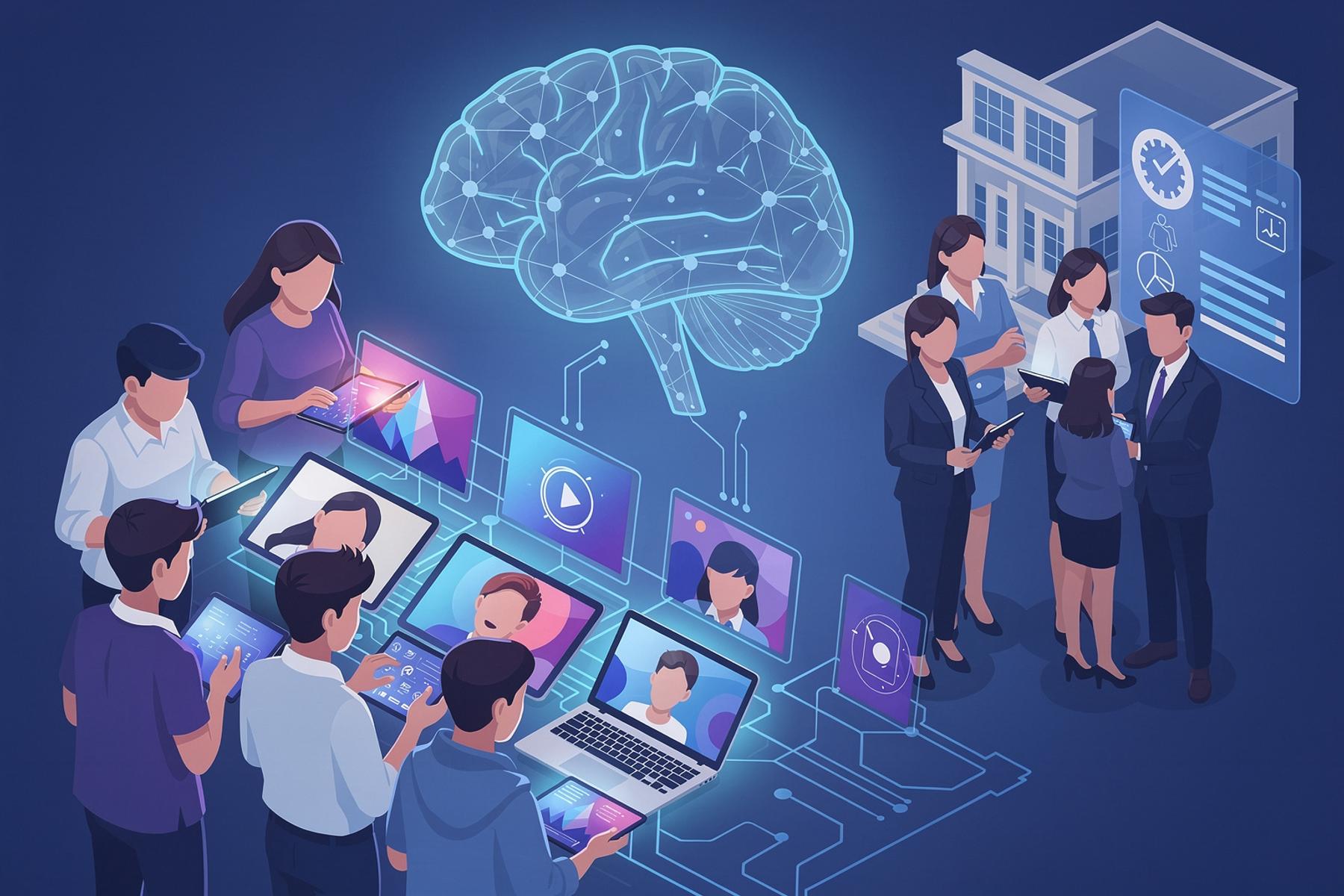
How Students Use AI Images and Schools' Response
Explore how students use AI-generated images for assignments and how schools are adapting policies and tools to maintain academic integrity.
The Rise of AI-Generated Images in Education
Artificial intelligence has transformed how students approach creative assignments. With tools like Midjourney, DALL-E, and Stable Diffusion becoming more accessible, students can generate high-quality images in seconds—whether for art projects, presentations, or research papers. While these tools offer new opportunities for creativity, they also raise questions about academic integrity, originality, and the role of technology in education.
Why Students Turn to AI-Generated Images
Students use AI-generated images for a variety of reasons, ranging from convenience to creative exploration. Here are some common motivations:
- Time-Saving: AI tools allow students to create visuals quickly, especially when deadlines are tight.
- Lack of Artistic Skills: Not all students have drawing or design experience, making AI a helpful alternative.
- Experimentation: Some students use AI to brainstorm ideas before refining them manually.
- Accessibility: AI tools are often free or low-cost, making them an attractive option for budget-conscious students.
- Curiosity: Many students are simply fascinated by AI’s capabilities and want to explore its potential.
For example, a high school student working on a history project might use AI to generate an illustration of an ancient civilization. Similarly, a college student in a marketing class could create AI-generated ad mockups for a presentation. While these applications can be legitimate, they also blur the line between original work and AI-assisted content.
How Schools Are Responding to AI-Generated Images
Educational institutions are grappling with how to address the use of AI-generated images in student work. Responses vary from outright bans to integration with clear guidelines. Here’s how schools are adapting:
1. Updating Academic Integrity Policies
Many schools are revising their academic integrity policies to explicitly address AI-generated content. These updates typically include:
- Definitions of AI-Generated Work: Clarifying what constitutes AI-assisted vs. original work.
- Guidelines for Proper Use: Encouraging transparency when AI tools are used, such as requiring citations or disclosures.
- Consequences for Misuse: Outlining penalties for submitting AI-generated work without proper attribution.
For instance, some universities now require students to disclose if they used AI tools in their assignments, similar to how they cite sources for written work.
2. Educating Students and Faculty
Awareness is key to addressing the challenges posed by AI-generated images. Schools are taking steps to educate both students and faculty, including:
- Workshops on AI Tools: Teaching students how to use AI responsibly and ethically.
- Training for Teachers: Helping educators recognize AI-generated images and understand their implications.
- Classroom Discussions: Encouraging conversations about the ethical use of AI in creative work.
By fostering a better understanding of AI, schools aim to promote responsible use rather than outright restriction.
3. Implementing Detection Tools
To verify the authenticity of student-submitted images, many schools are turning to AI detection tools like Detect AI Image. These tools analyze images for patterns and artifacts commonly found in AI-generated content, providing educators with a way to assess originality.
How Detect AI Image Works
Detect AI Image is a free online tool that helps users determine whether an image was created by AI or a human. Here’s how it can be useful in an educational setting:
- Instant Analysis: Upload an image and receive a confidence score indicating the likelihood of it being AI-generated.
- Multiple AI Model Detection: Identifies images from popular generators like Midjourney, DALL-E, and Stable Diffusion.
- Privacy-Focused: Images are analyzed securely without being stored, ensuring student privacy.
- User-Friendly: No technical expertise is required, making it accessible for teachers and students alike.
For example, a teacher suspecting that a student’s artwork was AI-generated can use Detect AI Image to verify its authenticity. The tool provides a confidence score, helping educators make informed decisions about academic integrity.
4. Encouraging Original Work
Some schools are shifting their focus from detection to fostering originality. Strategies include:
- Project-Based Learning: Designing assignments that require personal reflection, creativity, and hands-on work.
- Portfolio Assessments: Evaluating students based on a body of work rather than single submissions.
- In-Class Assignments: Requiring certain tasks to be completed during class time to minimize reliance on AI.
By emphasizing the value of original work, schools aim to reduce the temptation to use AI-generated images inappropriately.
The Debate: Should AI-Generated Images Be Allowed?
The use of AI-generated images in education is a topic of ongoing debate. Here are some key arguments on both sides:
Arguments in Favor of Allowing AI-Generated Images
- Enhances Creativity: AI tools can help students explore new ideas and expand their creative horizons.
- Prepares Students for the Future: Familiarity with AI tools can be valuable in many careers.
- Levels the Playing Field: Students without artistic skills can still create high-quality visuals.
- Encourages Innovation: AI can be used as a starting point for further refinement and original work.
Arguments Against Allowing AI-Generated Images
- Undermines Originality: Relying on AI may discourage students from developing their own skills.
- Academic Dishonesty: Submitting AI-generated work as original can be considered plagiarism.
- Lack of Critical Thinking: Students may use AI without understanding the underlying concepts.
- Ethical Concerns: AI-generated images can raise issues related to copyright and authenticity.
Best Practices for Students Using AI-Generated Images
For students who choose to use AI-generated images in their work, following best practices can help ensure ethical and responsible use:
- Disclose AI Use: Always inform teachers if you’ve used AI tools to create images.
- Use AI as a Starting Point: Refine and personalize AI-generated images to make them your own.
- Cite Sources: If you use AI-generated images in research or presentations, provide proper attribution.
- Understand the Tools: Learn how AI image generators work to use them more effectively and ethically.
- Balance AI and Original Work: Use AI as a supplement, not a replacement, for your own creativity.
How Educators Can Verify Image Authenticity
Teachers and administrators can take several steps to verify whether student-submitted images are original or AI-generated:
1. Manual Inspection
While not foolproof, educators can look for common signs of AI-generated images, such as:
- Unnatural Details: AI-generated images may have unusual textures, distorted backgrounds, or inconsistent lighting.
- Repetitive Patterns: Some AI tools produce repetitive or symmetrical patterns that are uncommon in human-created art.
- Anatomical Errors: AI-generated human figures may have unrealistic proportions or features.
- Lack of Context: AI images might lack the depth and context that human artists naturally include.
2. Using Detection Tools
Tools like Detect AI Image provide a more reliable way to assess image authenticity. Educators can:
- Upload Suspicious Images: Use the tool to analyze images submitted by students.
- Review Confidence Scores: The tool provides a confidence score indicating the likelihood of an image being AI-generated.
- Combine with Manual Review: Use the tool’s results alongside manual inspection for a more comprehensive assessment.
3. Encouraging Transparency
Creating an environment where students feel comfortable disclosing their use of AI tools can help maintain academic integrity. Educators can:
- Set Clear Expectations: Communicate guidelines for AI use in assignments.
- Promote Open Discussions: Encourage students to ask questions about AI and its role in their work.
- Reward Originality: Recognize and reward students who demonstrate creativity and effort in their work.
The Future of AI in Education
As AI technology continues to evolve, its role in education will likely expand. Schools will need to adapt by:
- Developing Clear Policies: Establishing guidelines for the ethical use of AI tools.
- Investing in Detection Technology: Using tools like Detect AI Image to maintain academic integrity.
- Fostering Digital Literacy: Teaching students how to use AI responsibly and critically.
- Encouraging Innovation: Balancing the use of AI with the development of original skills and creativity.
Conclusion
The use of AI-generated images in education presents both opportunities and challenges. While AI tools can enhance creativity and accessibility, they also raise concerns about academic integrity and originality. Schools are responding by updating policies, educating students and faculty, and implementing detection tools like Detect AI Image to verify authenticity.
For students, the key is to use AI responsibly—disclosing its use, refining AI-generated work, and balancing it with original creativity. For educators, the focus should be on fostering an environment of transparency, critical thinking, and ethical use of technology.
As AI continues to shape the educational landscape, tools like Detect AI Image will play a crucial role in maintaining trust and authenticity in student work.