
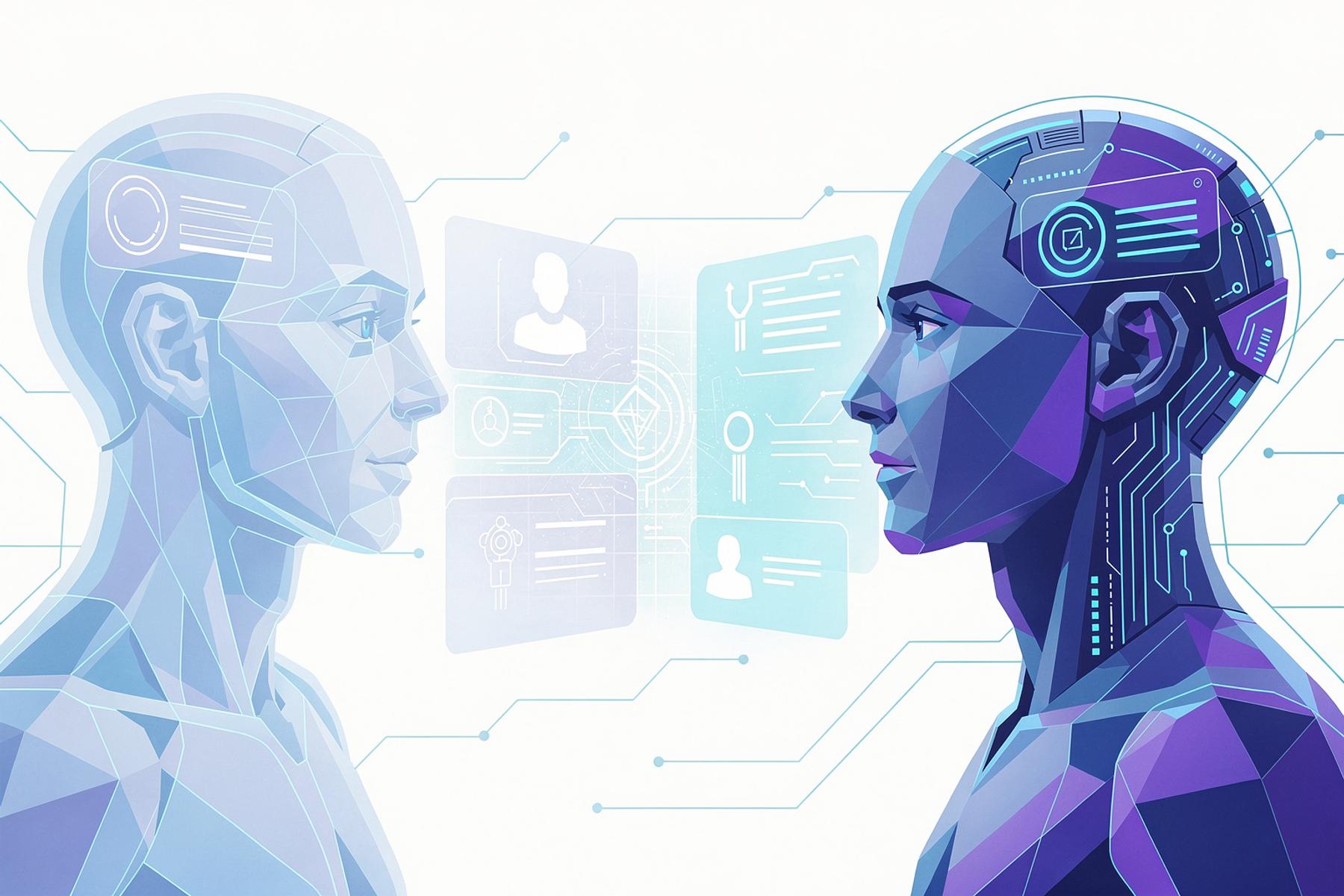
How Authenticity Standards Are Changing in the AI Era
Explore how AI-generated content is reshaping authenticity standards across journalism, academia, and social media, and learn how to verify digital content effectively.
In an age where artificial intelligence can generate photorealistic images, write convincing articles, and even mimic human voices, the concept of authenticity is undergoing a profound transformation. The line between human-created and AI-generated content has blurred, forcing industries, institutions, and individuals to rethink how they define, verify, and trust digital media. This shift is not just technological—it’s cultural, ethical, and operational, impacting everything from journalism to academic integrity and social media trust.
The Evolution of Authenticity in the Digital Age
Authenticity has always been a cornerstone of trust in media and communication. Historically, verifying the origin of an image or document relied on physical evidence, expert analysis, or trusted sources. For example:
- Journalism: Photographs were authenticated through film negatives, metadata, or eyewitness accounts.
- Academia: Original research was validated through peer review and citations.
- Social Media: Viral content was fact-checked by cross-referencing multiple sources.
However, the rise of AI-generated content has disrupted these traditional methods. Tools like Midjourney, DALL-E, and Stable Diffusion can create images that are indistinguishable from real photographs to the untrained eye. Deepfake videos can manipulate audio and visuals to depict events that never occurred. As a result, the old standards of authenticity—such as “seeing is believing”—are no longer sufficient.
Why Authenticity Standards Are Changing
- Volume of AI-Generated Content: Over 15 billion AI-generated images were created in 2023 alone, according to estimates from industry analysts. This sheer volume makes manual verification impractical.
- Sophistication of AI Tools: Modern AI models produce content with fewer detectable artifacts, making it harder to distinguish from human-created work.
- Speed of Dissemination: Social media and digital platforms allow content to spread globally in minutes, often before it can be verified.
- Ethical Concerns: The potential for misuse—such as spreading disinformation, creating fake identities, or manipulating public opinion—has raised alarms across industries.
These factors have necessitated a shift toward proactive verification, where authenticity is not assumed but actively confirmed using a combination of technology, critical thinking, and new standards.
Industries Adapting to New Authenticity Standards
1. Journalism: Fact-Checking in the Age of AI
For journalists, the stakes have never been higher. A single AI-generated image or deepfake video can spark misinformation, damage reputations, or even influence elections. News organizations are responding by:
- Implementing AI Detection Tools: Many outlets now use tools like Detect AI Image to scan images for signs of AI generation before publication. These tools analyze patterns, artifacts, and metadata to provide a confidence score on whether an image is AI-generated.
- Adopting Transparency Policies: Some publications now label AI-generated or AI-assisted content explicitly, similar to how they disclose sponsored content.
- Training Reporters: Newsrooms are investing in training to help journalists recognize AI-generated content and understand the limitations of detection tools.
- Collaborating with Tech Companies: Partnerships with platforms like Google and Meta aim to develop standardized methods for labeling AI-generated content.
Example: In 2023, a viral image of Pope Francis wearing a puffer jacket turned out to be AI-generated. While the image was harmless, it demonstrated how easily AI content could fool even reputable news outlets. Since then, many organizations have adopted stricter verification protocols.
2. Academia: Preserving Integrity in the Classroom
Educational institutions are grappling with how to maintain academic integrity in an era where students can use AI to generate essays, artwork, or even research data. Schools and universities are responding by:
- Updating Honor Codes: Many institutions have revised their policies to explicitly prohibit the use of AI-generated content without proper attribution.
- Using Detection Tools: Tools like Detect AI Image are being integrated into plagiarism detection workflows to flag AI-generated submissions.
- Encouraging Critical Thinking: Educators are teaching students how to evaluate sources, recognize AI-generated content, and understand the ethical implications of using AI tools.
- Redesigning Assignments: Some instructors are shifting toward project-based or in-class assessments that are harder to complete using AI.
Example: A high school in California recently caught a student submitting AI-generated artwork for a photography contest. The school used an AI detection tool to verify the image’s origin and subsequently updated its guidelines to address AI-generated submissions.
3. Social Media: Combating Misinformation and Deepfakes
Social media platforms are on the front lines of the battle against AI-generated misinformation. With billions of users sharing content daily, these platforms are implementing new measures to maintain trust:
- Content Labeling: Platforms like Instagram and TikTok now label AI-generated content to inform users about its origin.
- Detection Algorithms: Social media companies are investing in AI detection tools to identify and flag synthetic media before it goes viral.
- User Education: Campaigns to educate users on how to spot AI-generated content are becoming more common.
- Partnerships with Fact-Checkers: Collaborations with organizations like PolitiFact and Snopes help verify viral content quickly.
Example: In 2024, a deepfake video of a political candidate went viral on Twitter, garnering millions of views before it was debunked. The platform responded by adding a “Manipulated Media” label to the video and directing users to fact-checking resources.
The Role of AI Detection Tools in Verifying Authenticity
As authenticity standards evolve, AI detection tools have become essential for verifying digital content. These tools, such as Detect AI Image, use advanced machine learning models to analyze images for signs of AI generation. Here’s how they work:
- Pattern Recognition: AI-generated images often contain subtle patterns or artifacts that are invisible to the human eye but detectable by algorithms.
- Metadata Analysis: Some tools examine metadata for inconsistencies or signs of AI generation.
- Confidence Scoring: Instead of providing a binary “real or fake” answer, these tools offer a confidence score, acknowledging the probabilistic nature of detection.
Practical Use Cases for AI Detection Tools
- Journalists: Verify the authenticity of user-submitted images or viral content before publication.
- Educators: Check student submissions for AI-generated artwork or essays.
- Content Creators: Ensure that images used in blogs, social media, or marketing materials are original and not AI-generated.
- Social Media Users: Fact-check viral images or videos before sharing them.
- Researchers: Study the prevalence of AI-generated content in specific domains.
Limitations of AI Detection Tools
While AI detection tools are powerful, they are not infallible. Users should be aware of their limitations:
- False Positives/Negatives: No tool is 100% accurate. Some AI-generated images may go undetected, while some human-created images may be flagged as AI-generated.
- Evolving AI Models: As AI generation tools improve, detection tools must continuously update their algorithms to keep pace.
- Context Matters: Detection tools provide data, but human judgment is still required to interpret results and consider the broader context.
Best Practices for Verifying Digital Content
Given the limitations of any single tool or method, a multi-layered approach to verification is essential. Here are some best practices:
1. Use Multiple Verification Methods
- Reverse Image Search: Tools like Google Reverse Image Search can help trace the origin of an image.
- Metadata Analysis: Examine an image’s metadata for inconsistencies or signs of manipulation.
- AI Detection Tools: Use tools like Detect AI Image to analyze images for AI-generated artifacts.
- Expert Analysis: For high-stakes content, consult experts in digital forensics or AI.
2. Consider the Source
- Reputation: Is the source known for accuracy and integrity?
- Transparency: Does the source disclose how the content was created or obtained?
- Motivation: What is the source’s incentive for sharing this content?
3. Look for Red Flags
AI-generated images often exhibit subtle flaws that can be spotted with a critical eye:
- Unnatural Details: Look for oddities in hands, eyes, or backgrounds, such as extra fingers or distorted reflections.
- Inconsistent Lighting: AI-generated images may have inconsistent shadows or lighting.
- Repetitive Patterns: Some AI models generate repetitive textures or patterns that don’t appear in natural images.
4. Stay Informed
- Follow Industry News: Stay updated on the latest advancements in AI generation and detection.
- Educate Yourself: Learn about common AI artifacts and how to spot them.
- Use Trusted Resources: Rely on reputable sources for information about AI-generated content.
The Future of Authenticity Standards
As AI technology continues to advance, authenticity standards will need to evolve in tandem. Here are some trends to watch:
1. Standardized Labeling
Efforts are underway to create industry-wide standards for labeling AI-generated content. For example:
- Content Credentials: Adobe and other tech companies are developing a system to embed metadata in images, indicating whether they are AI-generated.
- Regulatory Requirements: Governments may soon require platforms to label AI-generated content, similar to how they regulate advertising disclosures.
2. Decentralized Verification
Blockchain technology could play a role in verifying the authenticity of digital content. By creating an immutable record of an image’s origin and edits, blockchain could provide a tamper-proof way to track content.
3. AI-Assisted Verification
Future verification tools may combine AI detection with human expertise, creating a hybrid model that leverages the strengths of both. For example:
- Automated Flagging: AI tools could flag suspicious content for human review.
- Collaborative Platforms: Platforms could crowdsource verification efforts, allowing users to contribute to fact-checking.
4. Ethical AI Use
As AI becomes more integrated into content creation, ethical guidelines will become increasingly important. Industries may adopt codes of conduct for AI use, such as:
- Disclosure Requirements: Mandating that creators disclose when AI tools were used.
- Bias Mitigation: Ensuring AI-generated content does not perpetuate harmful stereotypes or misinformation.
- Copyright Considerations: Clarifying the legal status of AI-generated content and its use.
Conclusion
The AI era has ushered in a new paradigm for authenticity, one where trust must be actively earned and verified. While AI-generated content presents challenges, it also offers opportunities to redefine how we create, share, and consume digital media. By embracing tools like Detect AI Image, adopting best practices for verification, and staying informed about industry developments, individuals and organizations can navigate this evolving landscape with confidence.
Authenticity is no longer about assuming trust—it’s about building systems and habits that ensure trustworthiness in every piece of content we encounter. As we move forward, the ability to verify digital content will be as essential as the ability to create it.